Salmonellosis in Dairy Cattle

Salmonellosis is a bacterial infection that occurs commonly
across New Zealand. The disease causes a range of symptoms including diarrhoea,
abortions, general ill thrift, and death in severe cases. The main cause of
Salmonella outbreaks we have seen in previous years in Canterbury is Salmonella
Brandenburg. Salmonella Brandenburg usually causes outbreaks of abortions and
general sickness, especially in first calvers. This year the disease
laboratories have noticed an increase in Salmonella Bovis morbificans and some
cases of Salmonella Typhimuriam which tend to cause more gut issues.
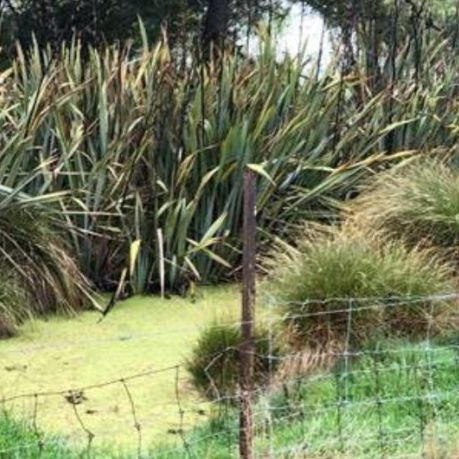
The Salmonella bacteria are present in the faeces of healthy animals and do not always cause disease. Faeces are likely the largest source of the disease, but infected material such as the placenta and foetus from abortions are also a source. The bacteria can also be spread from farm to farm via wildlife, usually birds and vermin.
Significant disease usually occurs when an animal or group of animals are under significant stress (e.g. calving, severe weather, poor nutrition/trace element supplementation etc.) and their immune system is put under pressure. This drop in immunity combined with ingestion of the Salmonella organism results in clinical disease.
Outbreaks can be severe at times. For first calving heifers there have been reports of up to 35% of the animals aborting and up to a 5% mortality rate. Treatment involves supportive care, primarily aimed at rehydrating the animal and aiding them in fighting the initial infection. Treatment can be effective if initiated early, but it is very costly in terms of time, effort, drugs, and production loss/loss of the pregnancy. Salmonella is also a zoonotic disease (can infect humans) and becomes a significant health and safety issue during an outbreak.
As with any disease, prevention is the best option for Salmonella. As it is naturally present in healthy animals and the bacteria can live for months in pasture, the best choice we currently have for prevention is vaccination. Salvexin + B is a very cost-effective vaccine and gives protection against all three of the Salmonella types mentioned above. We recommend vaccinating all calves at 4-6 weeks old with an initial injection plus a booster, and then this can be followed up with an annual booster vaccination in May. Any naïve yearlings/R2s/adult cattle will also require two initial injections followed up by an annual booster in May (pre dry-off for milking cows).
Salmonella is a significant animal health issue in Canterbury dairy farms and severe outbreaks do occur every year. By minimising stress on your cattle, employing good biosecurity practices, having effective effluent management, and vaccinating all cattle on your property you will significantly reduce the risk of an outbreak. Please give us a call at the clinic if you have any questions and would like to learn more about management of the disease.
Selywn Rakaia Vet Services
Ph: 03 325 4444