A year in review at DFMS.

This year has been an interesting one for most however, for many of our clients, it has been business as usual as farming was deemed an essential service during lockdown.
Although many of you would not been able to enjoy an overseas break, we hope you got to explore parts of our own country and give back to the local economy.
While the beginning of 2020 seems like a million years ago, rain in the autumn, and an exceptionally mild winter allowed for good pasture growth so that in August some farmers were making silage. Although October delivered a cold, cloudy and dry month that may have caused some tight feed conditions, hopefully pasture growth rates on most farms have met cow demand with a good dose of rain in November.
Milk prices have also been positive in 2020, with all milk processors paying in excess of $7.00/kgMS for the 19-20 season. Pricing for the 20-21 season started lower but as we reach the end on the year prices have increased and may yet top the $7.00/kgMS hurdle again.
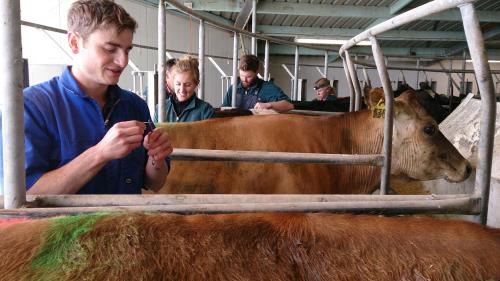
After a kind winter cows generally calved in good condition and the weather in August for calving couldn’t have been any better. With good pasture feed supplies herds were generally very well fed in early spring which was positive for mating.
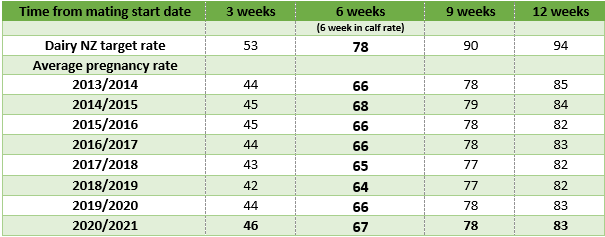
Improved mating performance was the goal on many farms this spring and most farmers used more targeted intervention in an attempt to achieve better results. Early indications are that most farms have seen some improvement in in-calf rates, and we will hope that 6-week pregnancy scanning in January will confirm this – touch wood!!!!
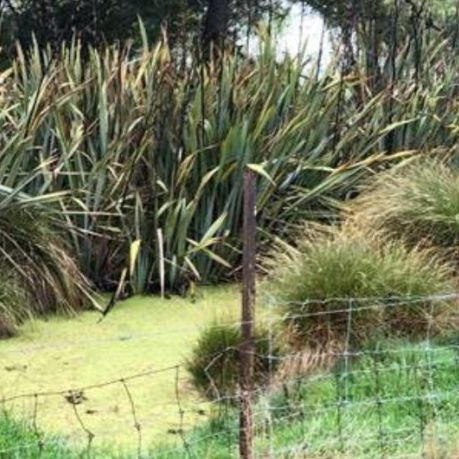
Though many of you, DFMS included, submitted on the Government’s Essential Fresh Water Package at the end of last year, farmers in 2020 were delivered a disappointing set of new policies and rules outlined in the NPS-FW and NES-FW. This includes a 190 kg N/ha/yr cap, strict winter grazing requirements and restrictions on intensification of land. Although it is still unclear how these rules will be regulated, be prepared to have to make changes to your farm system. Also consider the potential impacts if looking to buy or lease a new farm. We recommend you do your environmental due diligence prior to purchasing, which DFMS can help you with. DFMS were fortunate to present at the Synlait Lead with Pride Field Day in November around practical ways to reduce N fertiliser rates to below 190 kg N/ha/yr. If you would like to know more about our 190 kg recommendations, see the DFMS Spring 2020 newsletter on our website blog, or contact John or Kirsty via our website.
For those of you also in the OTOP and Waimakariri Zones, the added pressure of Plan Change 7 (PC7) of the Canterbury Land and Water Regional Plan may also be playing on your mind. This has recently just been through the hearing process and although we must be positive that the commissioners understand the effects these rules may have on farming and rural businesses, it is important to be mindful that these additional regulations may also impact the way we farm in these zones.
A positive for farms that require a FEP audit and nutrient budget, is that plantain has now been added to Overseer. For those who can manage this alternative pasture in their farm system, there are some significant reductions in N loss to be made if utilised in the right way. For more information on how plantain can reduce your N loss in the future, please go to our website blogwhere Libby Ruddenklau has carried out some modelling on our Canterbury model farm.
With all that said, we at DFMS feel it has been a successful year for farming, with the additional benefit of many New Zealanders recognising that agriculture is a major contributor to our economy, especially when other sectors have not been so successful this year. From all of us at DFMS, we wish a Merry Christmas and Happy New Year to all our customers and associates.