Action for Healthy Waterways
What is it all about?
In late 2019, the Government outlined the much-anticipated proposed changes to our national freshwater management framework that were announced last year. DFMS, along with approximately 17,500 others, created a submission which included views similar to DairyNZ and other industry good bodies in the agricultural sector.
Last week the Action for Healthy Waterways Package was released by the Government aimed at managing the health of freshwater in New Zealand and improving environmental practices where needed. Within this Package, more than $700 million has been given in funding to help farmers, iwi/Māori, local government, and communities implement the reform measures.
How could this affect me?
The following summary gives you the main points on what is required as a pastoral dairy/dairy support farm in Canterbury that already has a Farm Environment Plan under the new Action for Healthy Waterways Rules from now to 2025:
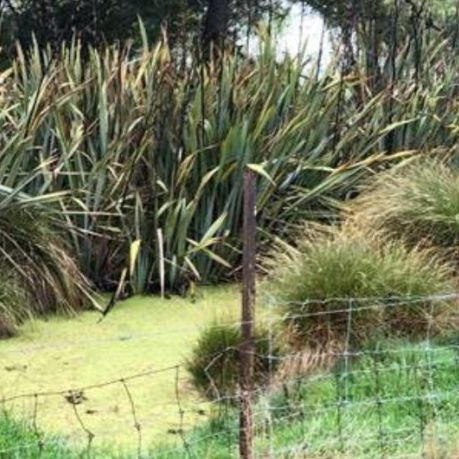
Excluding stock from waterways
·Cattle must be excluded from waterways more than 1 m wide from July 2025. Any new fencing that is required to achieve this must be more than 3 m back from the waterway.
·This means existing permanent fences will not have to be moved under the new regulations.
·In addition, cattle will be prohibited from crossing waterbodies more than twice per month unless they cross by way of a dedicated culvert or bridge.
·The regulations will not apply to smaller streams (less than one metre wide), sheep, lower-intensity, hill country farming, or where stock exclusion is impractical due to the physical characteristics of the land or where there are natural barriers keeping stock out of waterways.
Nitrogen Cap
·All pastoral farmers will have to keep synthetic nitrogen fertiliser use below 190 kg N/ha/year by the 2021/22 season or apply for a resource consent.
·From July 2021, all dairy farmers will need to record the tonnages of fertiliser applied and the area it was applied to, this must be reported to the regional council in the year ending 30 June 2022.
·The new cap will apply to fertiliser such as urea, diammonium phosphate (DAP), ammonium sulphate and blends.
·It does NOT include nitrogen sources such as legumes, compost, composted or raw manures, farm-dairy effluent, or blood and bone.
Winter grazing
From winter 2021, you will require a resource consent to graze stock on forage crops if:
·Your paddock is more than 10-degrees in slope.
·The area being planted is either; more than 50 ha or; 10 per cent of the property (whichever is the larger).
·The crop is less than five metres from a waterway.
To continue winter grazing you must also follow Good management practices which can be found on the following website: https://www.dairynz.co.nz/feed/crops/wintering-cows-on-crops/grazing-the-winter-crop/
Intensification
From mid-2020 until the end of 2024, you will require a resource consent to intensify using the following practices:
·Increase irrigation by more than 10 ha;
·Increase forage crop area to above the highest annual amount in the 2014/15–2018/19 seasons
·Increase dairy support activities to above the highest annual amount in the 2014/15–2018/19 seasons
·Convert to a higher intensity land use (such as from sheep and beef farming to dairy farming or forestry into pastoral farming).
Feed pads and stand off pads
Existing feed pads and stand off pads are required to meet minimum standards which include:
·Managing the permeability of the base area so that it is sealed to a minimum permeability standard.
·Collecting, storing and disposing effluent according to regional council regulations or a current discharge permit.
·Situating the stock-holding area at least 50 m away from waterbodies, water abstraction bores, drainage ditches and coastal marine areas.
From winter 2021, you will require a resource consent to add a feed pad, stand-off pad or feed lot on your property (from mid 2021) if it does not meet minimum standards. This does not include wintering barns, milking sheds, sacrifice paddocks, stock yards or calf pens.
Wetlands and streams
·Any wetlands (identified in council plans) and streams are required to be excluded from livestock.
·No draining or development of wetlands or streams is allowed on farms, except in very limited circumstances, starting from mid-2020.
·Work on wetlands for restoration or cultural purposes (including scientific and research) can be completed as long as the effects are no more than minor. However, to put in new structures, or make more than minor changes, a resource consent is required.
·Streams (in urban and rural areas) must not be filled in unless there is no other option and to shift the course of a stream will require a resource consent from the regional council.
Water Usage
·If you have an existing resource consent for irrigation, you will need to measure and report your use electronically using a system to measure water use every 15 minutes and provide electronic records to the regional council daily.
·The introduction of this requirement is being staggered: You must comply within:
-Two years if your consent is to take more than 20 litres per second
-Four years for consents to take between 10 and 20 litres per second
-Six years for consents to take five litres/second or more, but less than 10 litres/second.
What can I do?
You have a year to adjust your farming system to meet most of the requirements. Therefore, talk to one of our consultants at DFMS today or industry representative about how to achieve these restrictions without hindering your farming business .
More information please!
For more information please visit: https://www.mfe.govt.nz/sites/default/files/media/Fresh%20water/action-for-healthy-waterways-information-for-dairy-farmers.pdf